
‘Tortured’ Or ‘Torturer’? – Corporate Media Fail To Ask The Question
Jeffrey Isaac Jarquin was deported from the U.S. by ICE and upon arrival in Managua was sent to prison by Nicaraguan authorities. Corporate media has decried the detention of a “torture victim” and “political prisoner,” but failed to do a cursory background investigation into Jarquin, who was himself convicted of torture, arson and robbery in Nicaragua in 2018.

Nicaragua and the US hemispheric doctrine
Due to its geographical location in the middle of the Central American isthmus, Nicaragua's stability and security have been an essential factor for the economic development of the region.

Video: Reflections on 25 Years in Resilient & Sovereign Nicaragua
Becca Renk's presentation in Rossmoor Walnut Creek, CA on September 23, 2026. With informational slides, Becca talks about how she came to live in Nicaragua and the tremendous progress after the FSLN was elected back into government.

Myths and Facts about Nicaraguan Democracy
Myths and facts about Nicaraguan democracy. Leaflet for sharing and printing.

The US Constitution Bars Those “Engaged in Insurrection” From Office – So Will Nicaragua’s
Nicaragua’s electoral reforms seek to defend popular sovereignty as Washington intensifies its interference in Latin American elections.

Rubio wants to defeat socialism in Nicaragua, not restore “democracy”
After Venezuela and Cuba, will the Trump administration turn its spotlight onto Nicaragua?

Nicaragua, A True Democracy
“The Sandinista Front built democracy and consolidated democracy in Nicaragua.”
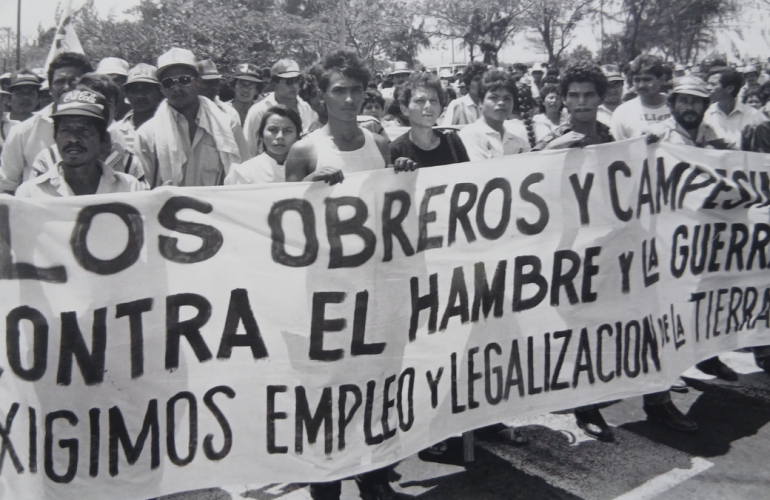
How ‘governing from below’ enabled Sandinistas to regain power in 2006
An equally important component of this multi-layered approach was Sandinista-aligned social movements of trade unionists, peasants, students, and community organisations.
Nicaragua Solidarity Campaign Action Group Sept 2026 Update
September saw the beginning of Nicaragua’s ‘Month of the Homeland’ celebrations, a period dedicated to honouring independence, sovereignty, dignity and the pride of being Nicaraguan
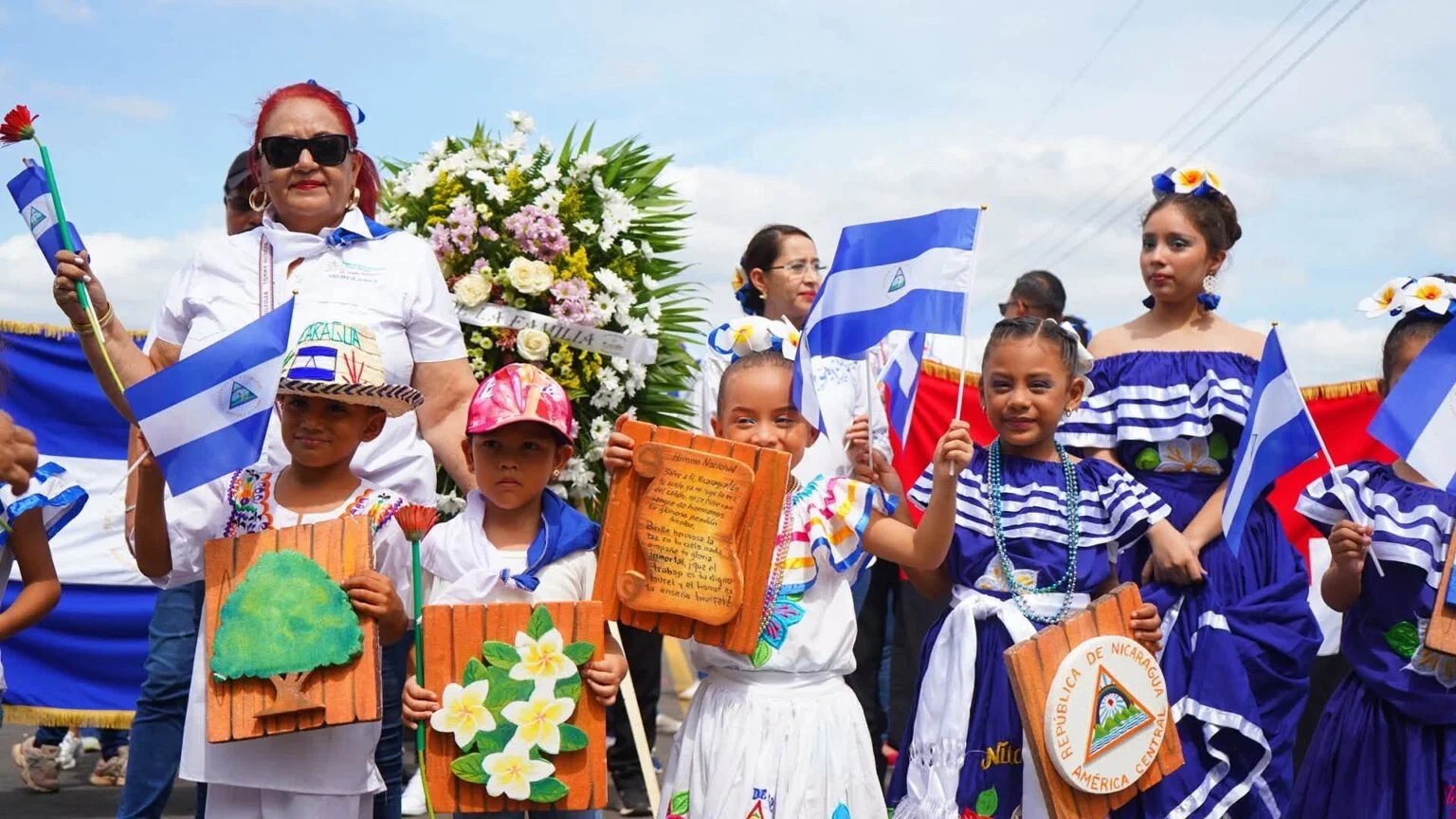
Nicaragua and independence in a new world order
Nicaragua has demonstrated that revolutionary democratization, focused on the human person and Nicaragua’s families, guarantees better quality economic growth and greater social stability than the mediocre dogma of neoliberalism prevalent in the the rest of the region.
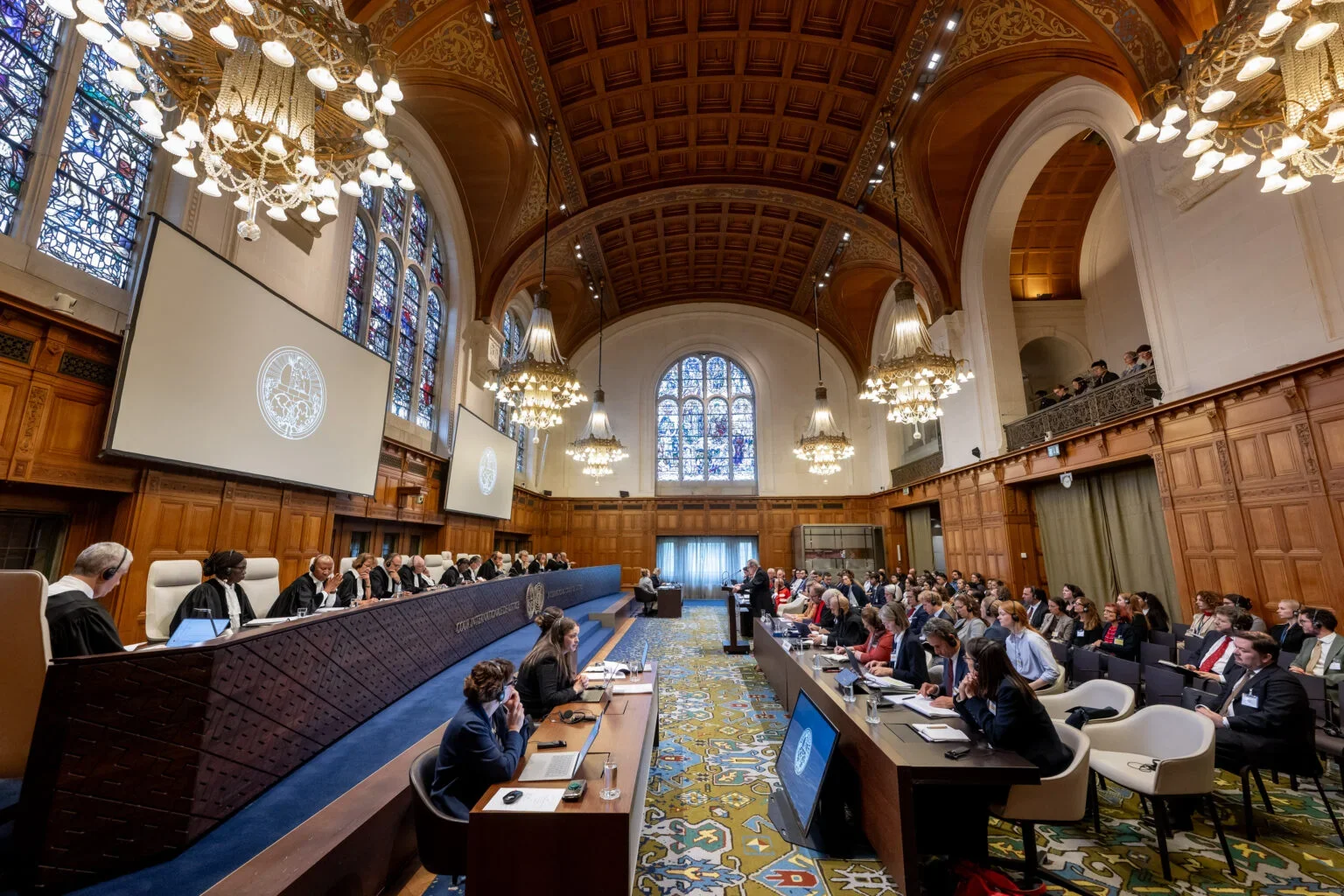
Video: Nicaragua's takes aim at Germany at the ICJ (Sept 8)
Nicaragua accuses Germany of responsibility in connection to serious breaches of international law, particularly in its transfer of arms to Israel, which have been used to commit genocide against Palestinians in Gaza.

Video: Nicaragua v Germany at ICJ
Nicaragua's international legal team provides its second-round presentation on the preliminary objections raised by Germany in the case initiated by Nicaragua before the ICJ.

Communique of the Nicaraguan Government on ICJ Hearings on Germany and the People of Palestine
In oral arguments before the International Court of Justice Nicaragua recalled that this case invokes Germany’s responsibility in connection with violations of international law, particularly the heinous scourge of genocide and international humanitarian law, but also to the right to self-determination and the prohibition of racial discrimination, racial segregation, and apartheid; through its political, financial, and military support for Israel’s actions in the Occupied Palestinian Territory.

Nicaragua urges International Court of Justice to reject German bid to throw out Gaza genocide case
NICARAGUA urged the International Court of Justice (ICJ) on Tuesday to allow its case against Germany to continue.

Nicaraguan Parliament Approves Constitutional Reforms to Protect Democracy
Amendments bar ‘traitors to the homeland’ from political organizations, electoral candidacies, and public office.

Nicaragua’s 1980 literacy crusade, part of building a new society based on equality, well being, & social justice
Forty-six years ago, over 60,000 young people and 30,000 adults mostly from urban areas, received basic training in teaching literary before being assigned to rural communities to spend five months living and working with families and teaching them to read and write. Thousands of others provided logistical support, bringing total numbers involved in the campaign to one fifth of the population. Women made up 60% of brigadistas and 50% of literacy learners.

Ortega, Elections, and the Context Western Media Won’t Print
According to the latest eruption from the Western press, Nicaraguan President Daniel Ortega has abolished elections. The peripheral left offers another interpretation: Nicaragua is behaving as though the United States poses a threat to Nicaraguan sovereignty. How could they possibly have gotten that idea?

‘Guaranteeing Peace And Security’: Nicaragua’s Tourism Sector Backs Proposed Reforms
Nicaragua’s tourism industry, particularly hard-hit following the failed coup attempt in 2018, is embracing proposed constitutional reforms aimed at thwarting foreign attempts to interfere with the country’s democratic elections.

Nicaragua, 47 years of the triumph of the Sandinista Revolution. “Power to the People!”
Forty-seven years on from the triumph of the Sandinista Revolution, the international media campaign is attempting to portray the defense of sovereignty as the ‘end of democracy’. From Sandino to the People-As-President. As we approach the twentieth anniversary of the second phase of the Revolution, Nicaragua is championing a model of democracy based on national sovereignty, popular participation and the collective pursuit of development.

NICARAGUA: A PATH OF HOPES AND DREAMS
They did not travel to Nicaragua to die. They traveled to work, build, teach, organize, print, bring water, build homes, and stand in solidarity with peasants. Nicaragua was the place where the paths of five men crossed, where solidarity ceased to be just a word and became action. On July 28, 1986, two pickup trucks carrying volunteer aid workers were attacked by contra forces, killing three internationalists and two Nicaraguans. A Swiss builder, a German working in the water sector, a Frenchman involved in communication and political education, and two Nicaraguans who were part of the local organization were united in a common task: transforming the living conditions of the communities. Forty years later, the legacy of La Zompopera can also be viewed from another perspective: through the transformations Nicaragua has undergone and through those needs that have gradually ceased to be dreams and have become concrete rights and services.